
What Every Parent Should Know About Menstrual Hygiene for Their Daughters
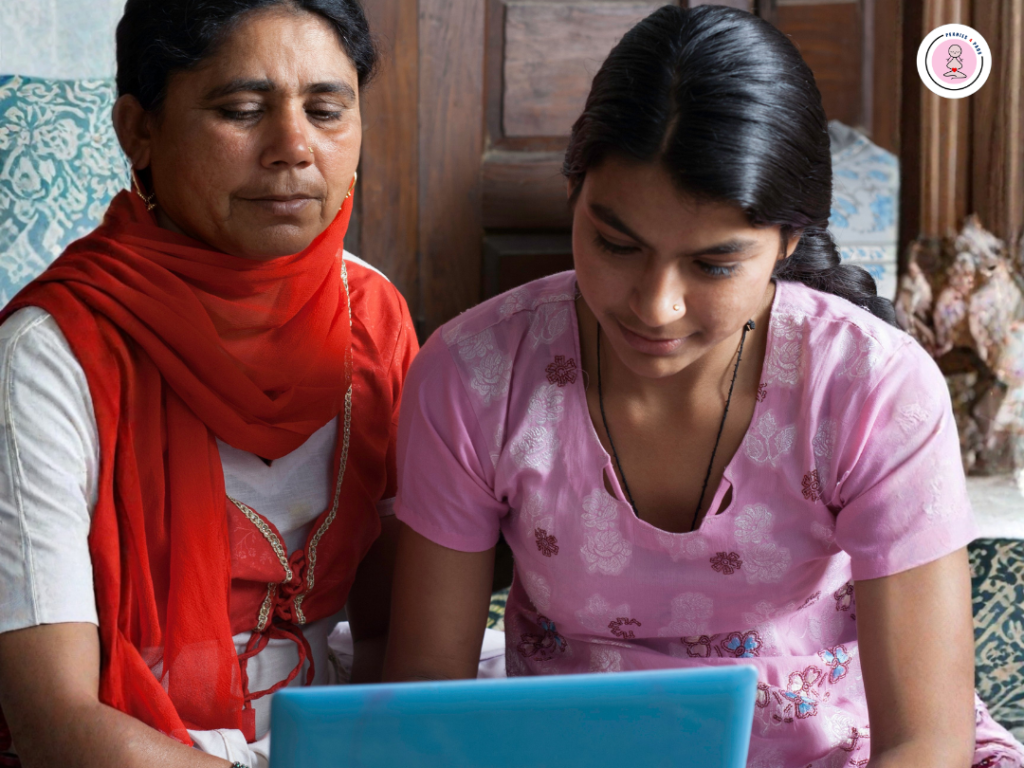
For many girls in rural India, their first period arrives with more confusion than comfort. Parents want to support their daughters, but many have never received proper menstrual education themselves. This gap often leaves girls scared, unprepared, or unsure of how to manage their periods safely.
Good menstrual hygiene is not about using pads but about giving girls the confidence, knowledge, and support they need as they grow. When parents understand this, daughters feel seen, heard, and cared for.
In rural India, where taboos often overshadow facts, parents play an even more crucial role. A daughter may hesitate to ask questions, repeat myths she has heard from peers, or silently worry about what is happening to her body. With the right guidance at home, this uncertainty transforms into clarity and reassurance.
That is why menstrual hygiene is not simply a “girl’s topic” but is a parenting responsibility.
Why Early Guidance Matters
Studies show that girls who receive clear information about periods before menarche experience significantly less fear and confusion. UNICEF notes that when girls are prepared, they are more likely to adopt safe hygiene practices, stay confident in school, and understand that menstruation is a healthy part of growing up.
Yet in many homes, the first conversation happens only after a girl gets her first period, often rushed, hushed, and incomplete. Parents may feel uncomfortable, unsure of what to say, or bound by traditional beliefs.
But one open conversation can change everything.
Helping Your Daughter Understand Her Body
Parents don’t need technical language or perfect answers. What daughters truly need is:
- reassurance that menstruation is natural
- clarity about what changes to expect
- guidance on how to manage periods safely
- a space where no question is “awkward”
Healthy menstrual hygiene begins with understanding:
- what a menstrual cycle is,
- why bleeding happens,
- how long periods typically last,
- and which symptoms are normal.
UNESCO’s global review on puberty education highlights that girls do better when these basics are introduced early, gently, and without shame.
When parents create an environment where curiosity is welcomed, daughters grow into young women who trust their bodies rather than fear them.
Practical Hygiene Guidance Every Parent Should Give
Once girls understand the “why,” they also need to learn the “how.”
This includes:
- using clean, safe menstrual products
- changing pads regularly
- maintaining personal hygiene
- proper disposal of menstrual waste
- wearing comfortable, breathable clothing
Many school absenteeism studies, including those referenced by UNICEF and WaterAid, show that lack of this practical knowledge leads to discomfort, infections, and embarrassment.
A few calm conversations at home can prevent months of confusion at school.
The Critical Role of Mothers and Fathers
Mothers often carry the responsibility of explaining menstruation, but fathers matter just as much. When fathers treat periods as normal, girls feel supported rather than stigmatized.
Research on menstrual communication (including work by WaterAid and other MHM networks) emphasizes that daughters benefit the most when both parents understand menstrual health and create a shame-free environment.
A girl who feels safe talking to her parents is more likely to report pain, symptoms, irregular cycles, or emotional distress early, improving her long-term wellbeing.
How Pennies 4 Pads Supports Menstrual Awareness
At Pennies 4 Pads, our focus is simple: providing menstrual hygiene education in schools and ensuring girls have access to sanitary pads every month.
Through our classroom awareness sessions and regular pad distributions, we help girls understand their periods, manage them safely, and carry this awareness back home. These small steps strengthen comfort and openness around menstrual health within their families and communities.
Finally
Periods are a natural part of life. But the experience of a first period, whether it becomes a moment of fear or a moment of empowerment, depends largely on the guidance a girl receives at home.
Every parent has the ability to shape that experience.
Every conversation matters.
And every girl deserves to grow up with dignity, confidence, and clarity.
Support Pennies 4 Pads in helping girls and families across rural India access the knowledge, care, and menstrual products they need.