
Why Period Poverty Is Still a Reality in Rural India
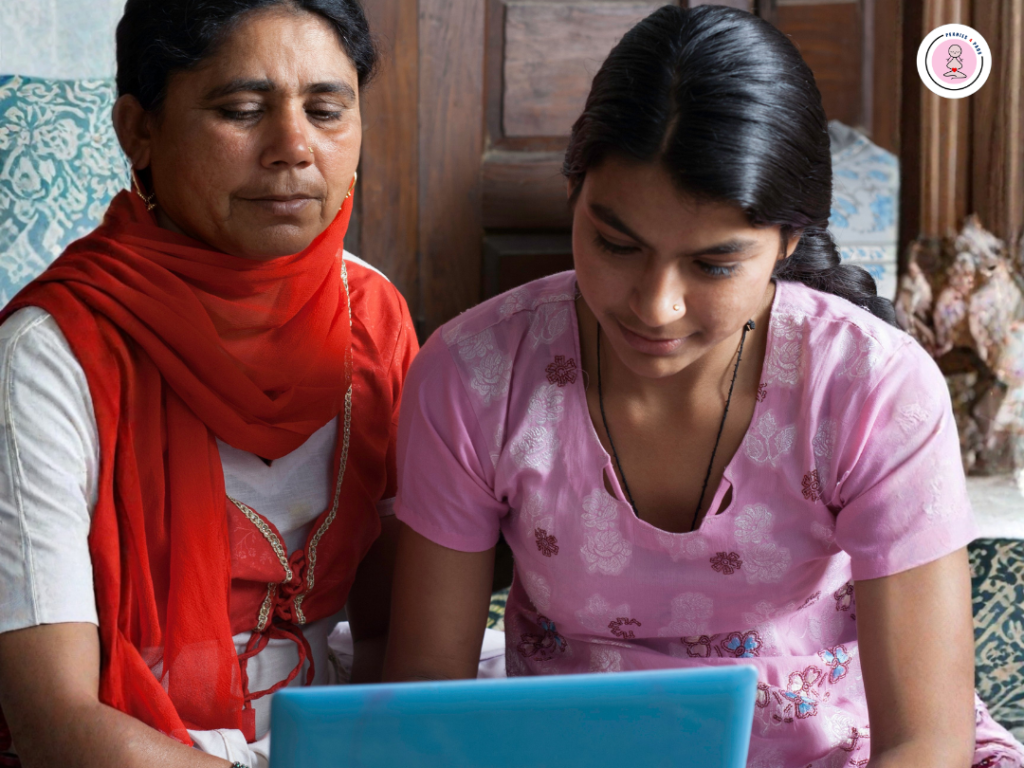
For many girls in rural India, managing a period is difficult and often stressful. Even today, access to sanitary pads, clear information, and safe school facilities remains limited for a large number of schoolgirls. As a result, period poverty continues to affect girls’ health, confidence, and education every month.
Period poverty refers to the lack of access to menstrual products, basic hygiene facilities, and reliable menstrual health information. In rural communities, these gaps are often reinforced by stigma and silence around menstruation.
What Period Poverty Looks Like on the Ground
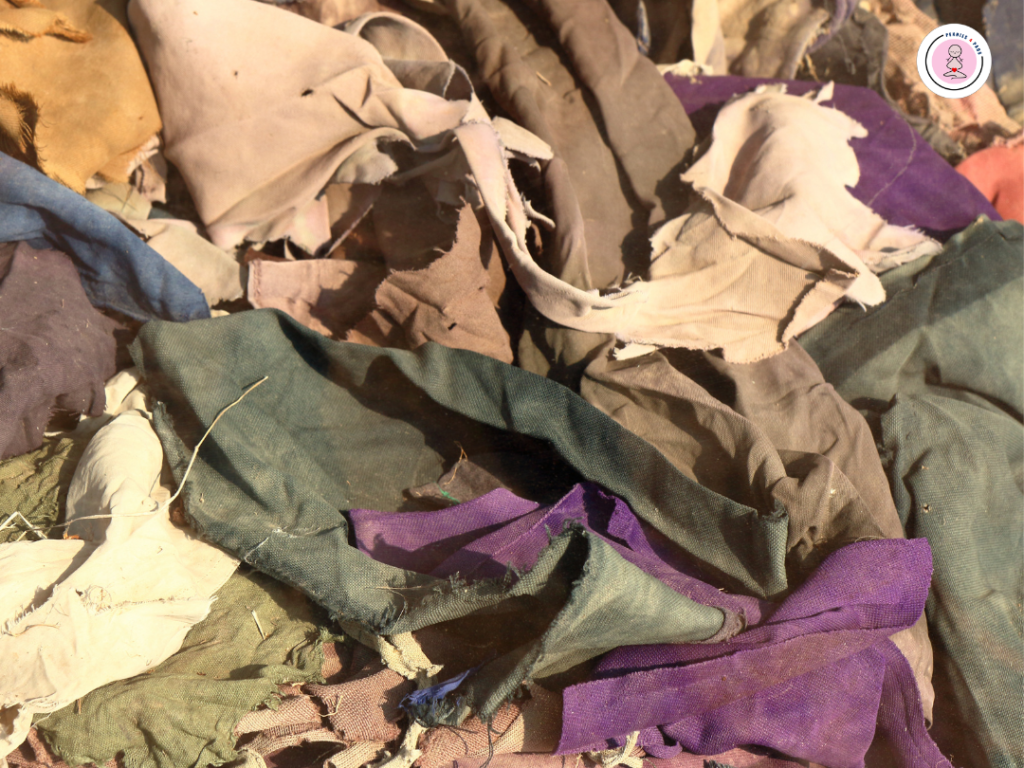
For girls in rural areas, period poverty shows up in everyday ways. Many girls do not have regular access to sanitary pads. Some rely on unsafe or uncomfortable alternatives. Others avoid school during their periods because they fear leakage, embarrassment, or lack of privacy.
UNICEF highlights that inadequate menstrual hygiene management affects girls’ wellbeing and school participation, especially in underserved regions.
When girls are unable to manage their periods with dignity, the impact extends beyond physical discomfort.
Why Rural Girls Face Greater Challenges
Rural families often have limited financial resources, making sanitary pads difficult to afford on a regular basis. Schools may lack functional toilets, water access, or proper disposal facilities. Cultural beliefs further discourage open conversations about menstruation.
According to a report, millions of adolescent girls in India lack consistent access to safe menstrual hygiene products and accurate information, with the situation more severe in rural areas.
These factors increase the risk of absenteeism, infections, and emotional stress among girls.
Practical Hygiene Guidance Every Parent Should Give
Once girls understand the “why,” they also need to learn the “how.”
This includes:
- using clean, safe menstrual products
- changing pads regularly
- maintaining personal hygiene
- proper disposal of menstrual waste
- wearing comfortable, breathable clothing
Many school absenteeism studies, including those referenced by UNICEF and WaterAid, show that lack of this practical knowledge leads to discomfort, infections, and embarrassment.
A few calm conversations at home can prevent months of confusion at school.
The Impact on Education
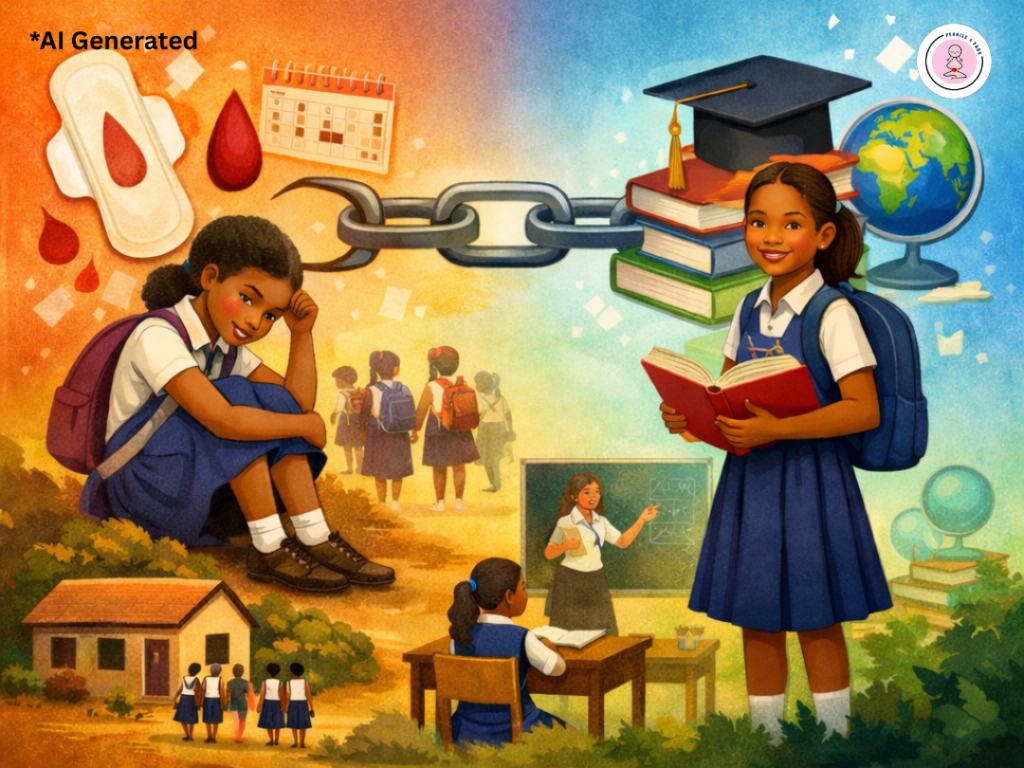
Period poverty is closely linked to school attendance. Many girls miss classes during menstruation because they feel unprepared or unsafe at school.
WaterAid India reports that poor menstrual hygiene facilities in schools remain a key reason girls stay home during their periods.
Missing several days of school every month affects learning continuity and confidence. Over time, this can contribute to early school dropouts.
Why Awareness Alone Falls Short
Menstrual health awareness helps girls understand their bodies, but awareness without access leaves gaps. Girls may know what to do but still struggle if they do not have sanitary pads or a private space at school.
The Ministry of Health & Family Welfare’s adolescent health framework (RKSK) states that menstrual health interventions must combine education with access to products and supportive environments.
Consistent support is essential for meaningful change.
How Pennies 4 Pads Addresses Period Poverty
Pennies 4 Pads works directly with schools in rural communities to reduce period poverty through simple, consistent action.
Our work includes:
- Regular sanitary pad distribution in schools
- Menstrual hygiene awareness sessions for adolescent girls
By ensuring monthly access to pads and clear information, we help girls attend school with greater comfort and confidence.
Support Pennies 4 Pads
Period poverty can be addressed when access and awareness reach girls consistently. Your support helps ensure that no girl misses school because she lacks menstrual care.