
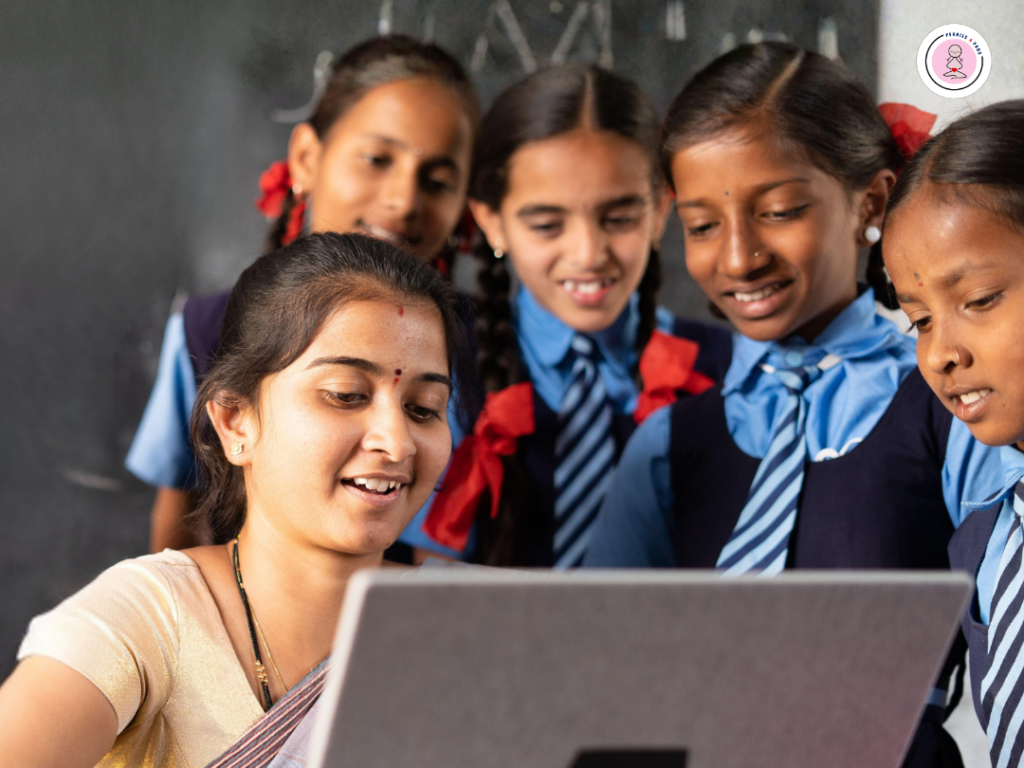
For many girls, school is the place where they spend most of their day. It is also where they experience their periods for the first time outside their homes. In this environment, teachers often become the first adults girls turn to for help, guidance, or reassurance.
A teacher’s response during these moments can shape how a girl feels about her body, her confidence, and her place in the classroom.
Adolescent girls may hesitate to speak about menstruation at home or among peers. In school, a teacher who listens without judgment creates a sense of safety.
UNESCO notes that teachers play a critical role in delivering health education and shaping attitudes around sensitive topics such as puberty and menstruation. When teachers address menstrual health calmly and factually, girls are more likely to ask questions and seek help when needed.
Girls who feel supported during menstruation are more likely to remain engaged in class. Fear of stains, teasing, or discomfort often distracts students from learning.
According to a report by Save the Children, schools where teachers actively support menstrual hygiene see improved attendance and better classroom participation among adolescent girls.
When teachers acknowledge menstruation as a normal part of life, it reduces embarrassment and helps girls focus on their studies.
Simple actions make a big difference. Teachers who allow girls to step out when needed, provide privacy, or guide them toward available sanitary products help remove daily stress.
UNICEF’s guidelines on Menstrual Hygiene Management in Schools highlight that emotional support and open communication are as important as infrastructure and supplies. A classroom that treats menstruation as normal creates confidence and dignity for students.
In many communities, misinformation about menstruation continues to circulate. Schools become important spaces for correcting these beliefs.
The National Council of Educational Research and Training (NCERT) recognizes the importance of puberty and reproductive health education within school curricula to help students understand their bodies with clarity and respect.
Teachers who share accurate information help girls move away from fear and toward understanding.
Schools bring structure and consistency. Girls attend regularly and interact with trusted adults every day. This makes schools effective places for providing both menstrual hygiene information and access to sanitary pads.
India’s Ministry of Health & Family Welfare also identifies schools as key platforms for adolescent health initiatives, including menstrual hygiene management under its RKSK framework.
Pennies 4 Pads partners with schools to support menstrual hygiene through regular sanitary pad distribution and awareness sessions for schoolgirls.
By working within classrooms, the program helps create an environment where menstruation is handled with care and respect. Girls receive support where they spend most of their time, and teachers become part of a system that ensures students feel secure during their periods.
A teacher who listens, reassures, and guides can change how a girl experiences menstruation. Over time, this everyday support helps girls stay present in school and feel confident managing their health.
Menstrual health becomes part of normal school life rather than something hidden or feared.
Your support helps Pennies 4 Pads provide sanitary pads and menstrual hygiene awareness in rural schools, creating safer and more supportive environments for adolescent girls.
By donating or partnering through CSR initiatives, you help strengthen school-based systems that allow girls to learn with confidence every month.
Together, we can ensure that schools remain places of learning, dignity, and care for every girl.