
What a Period-Friendly School Environment Looks Like
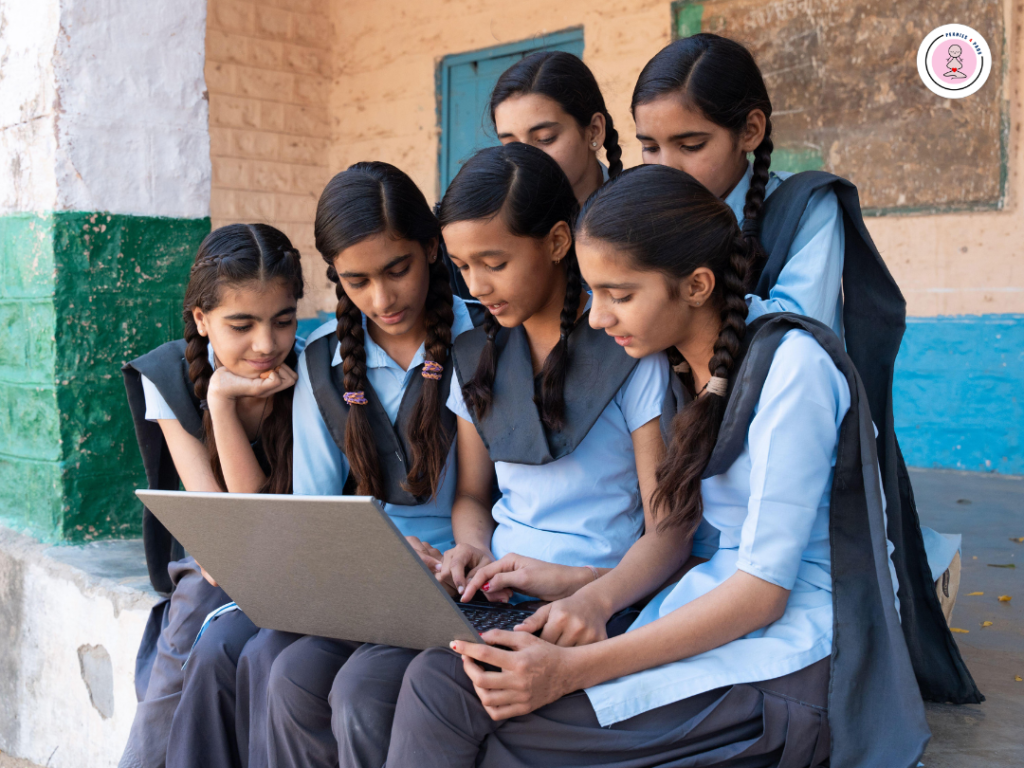
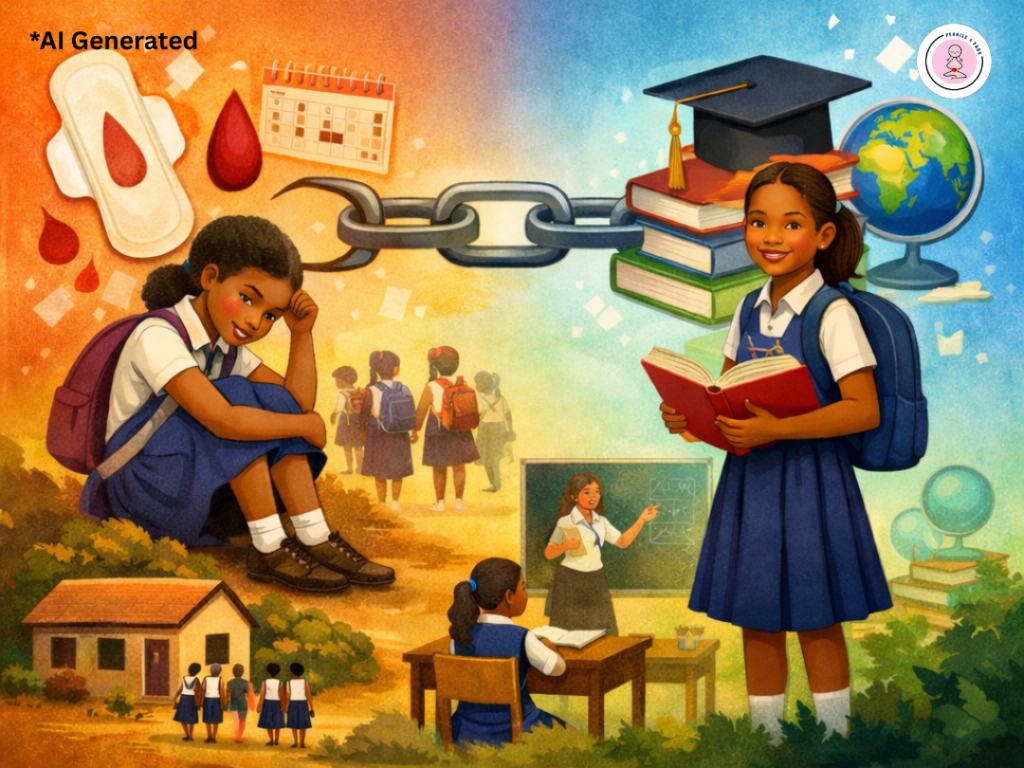
For many adolescent girls in rural India, the school day becomes uncertain once their period begins. A place meant for learning can quickly turn into a source of anxiety – about stains, discomfort, teasing, or having no safe place to change a pad.
A period-friendly school environment changes this reality. It does not treat menstruation as a disruption but as a normal part of a girl’s life that deserves understanding, planning, and respect.
Such schools allow girls to focus on lessons instead of worries.
Where Privacy Comes First
One of the strongest markers of a supportive school is privacy. Girls need toilets that are clean, usable, and separate from boys’ facilities. Water for washing and soap for hygiene are basic requirements, yet they are still missing in many rural schools.
UNICEF notes that the absence of safe sanitation facilities is one of the main reasons girls stay home during their periods. Without privacy, managing menstruation becomes stressful and unsafe.
When schools invest in sanitation, they send a simple message: girls belong here, every day of the month.
When Sanitary Products Are Within Reach
A period-friendly school ensures that a girl never has to leave class because she does not have a pad. Many students come from homes where sanitary products are scarce or unaffordable. Schools that make pads available remove one of the biggest barriers to attendance.
UNESCO research shows that access to menstrual products in schools improves participation and helps girls feel included rather than singled out during their periods.
This access transforms menstruation from a private struggle into something that can be managed calmly and confidently.
Disposal That Preserves Dignity
Disposal is often invisible in discussions, yet it deeply affects how girls experience school during menstruation. Without bins or safe disposal systems, girls may avoid changing pads or feel ashamed carrying used materials.
WaterAid India stresses that proper disposal facilities are essential for safe menstrual hygiene management in educational institutions. Schools that provide these systems make it easier for girls to use sanitary products without fear.
Dignity depends as much on what happens after use as on access itself.
Teachers Who Understand, Not Judge
A school becomes period-friendly when teachers know how to respond with empathy. Whether a girl needs to leave class briefly, feels unwell, or needs reassurance, the attitude of school staff makes a difference.
India’s Rashtriya Kishor Swasthya Karyakram (RKSK) places schools at the centre of adolescent health education, including menstrual health. It recognizes that teachers play a role in both knowledge-sharing and emotional safety.
Supportive adults help replace silence with understanding.
Learning That Breaks Myths
Education is another pillar of a period-friendly school. When girls learn what menstruation is and how to manage it safely, fear reduces and confidence grows.
UNFPA highlights that menstrual education strengthens self-esteem and encourages healthy practices among adolescents. It also helps challenge taboos that keep menstruation hidden.
When information is available, shame loses its power.
A Culture That Treats Periods as Normal
More than facilities or lessons, what defines a period-friendly school is culture. Girls are not separated from activities, discouraged from sports, or made to feel different. Menstruation is treated as routine, not as a reason for exclusion.
Such schools allow girls to remain part of everyday life – attending class, speaking freely, and learning without interruption.
How Pennies 4 Pads Contributes
Pennies 4 Pads works through schools to support menstrual hygiene by providing regular access to sanitary pads and basic awareness for schoolgirls.
By reaching girls consistently in classrooms, the initiative helps reduce fear and uncertainty around periods. Support becomes part of the school routine rather than an occasional intervention.
This steady presence helps girls manage menstruation with confidence and safety month after month.
When Schools Protect Dignity, Education Continues
A period-friendly school is not defined by a single facility or program. It is built through small, thoughtful actions – clean toilets, available pads, informed teachers, and respectful attitudes.
Together, these elements create an environment where girls do not have to choose between their health and their education.
A school that supports menstrual health supports learning, confidence, and the future of every girl who walks through its gates.