
The Role of Local Communities in Sustaining Menstrual Health Efforts
Menstrual health support is often discussed in terms of products, awareness sessions, or school initiatives.
These efforts are important, but lasting change rarely happens through isolated action.
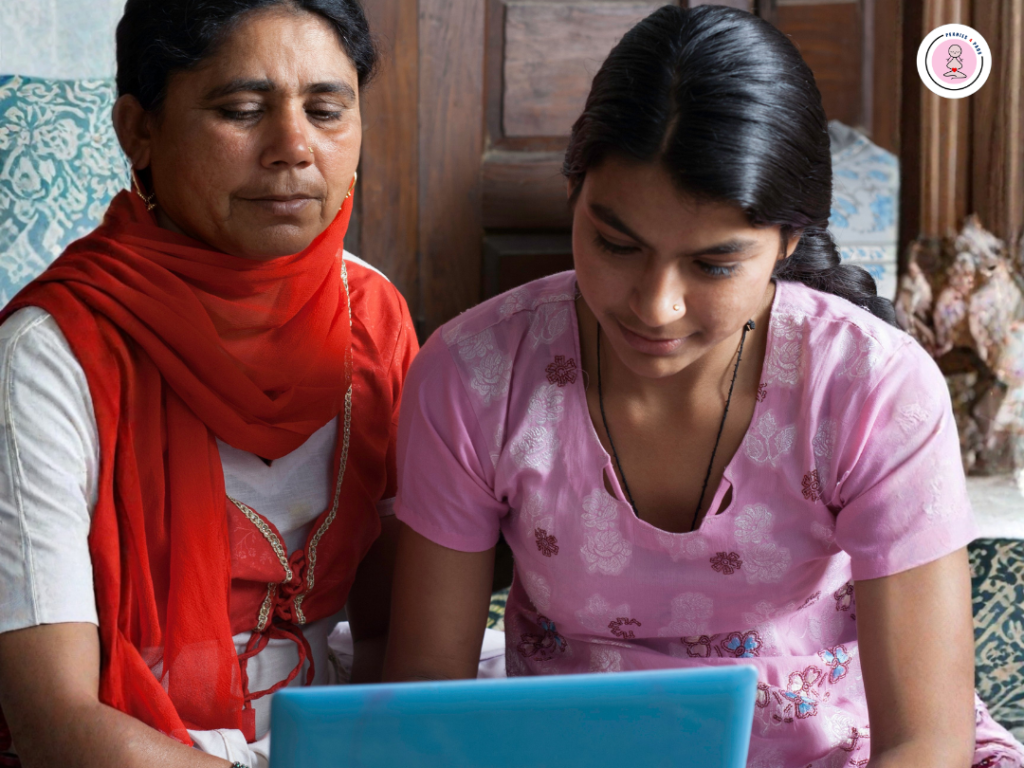
A girl may receive sanitary pads at school, but the way she experiences menstruation is shaped by many people around her – family members, teachers, peers, local leaders, and the wider community.
This is why menstrual health cannot be sustained through individual efforts alone.
Change Does Not Happen in Isolation
A girl does not manage menstruation in a vacuum.
Her daily choices are influenced by:
- what is considered acceptable at home
- how openly periods are discussed
- whether she feels comfortable seeking help
- what her community believes about menstruation
Even when access improves, restrictive attitudes can continue to create hesitation and discomfort.
This is where local communities play an important role.
Community Norms Shape Behaviour
In many rural areas, menstrual practices are passed down through observation and habit.
Girls often learn from older women in the household or from peers. Community beliefs influence:
- product preferences
- hygiene practices
- restrictions during menstruation
- openness around discussion
A study published in BMC Public Health highlights that social norms and community-level influences significantly affect menstrual practices and behaviour.
This means that improving menstrual health requires more than reaching individual girls.
Why Local Support Matters
When communities are supportive, girls experience menstruation differently.
A supportive environment may include:
- fewer myths and restrictions
- more comfort discussing concerns
- better acceptance of menstrual products
- stronger encouragement to continue daily activities, including school
These shifts are often gradual, but they are meaningful.
A community that understands menstruation as a normal part of life creates fewer barriers for girls.
Schools Can Start the Conversation, Communities Sustain It
Schools are often an effective starting point for menstrual support, but girls return home every day.
If what they learn in school is not supported in their broader environment, progress becomes harder to maintain.
For example:
- a girl may learn proper hygiene practices in school
- but still face stigma or restrictions at home
This disconnect can weaken long-term adoption.
Community alignment makes menstrual support more sustainable.
Building Familiarity Over Time
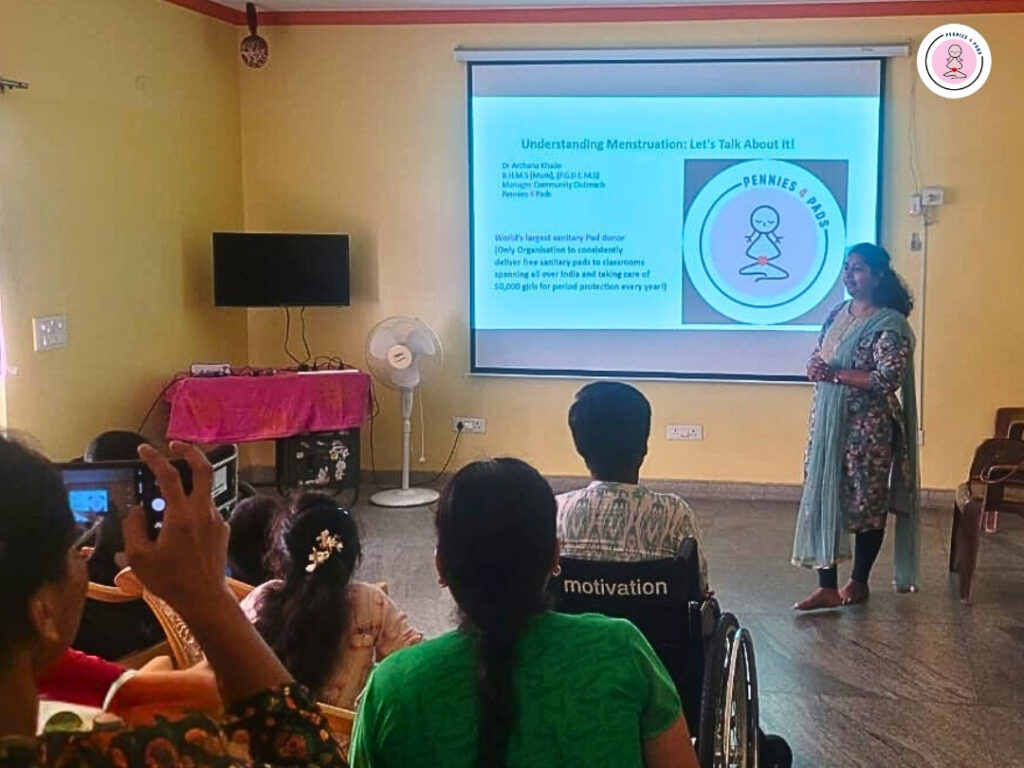
Community change does not happen through a single workshop or campaign.
It develops through repeated exposure:
- seeing sanitary pads become normal
- hearing menstruation discussed more openly
- observing girls continue daily life during their periods
Over time, familiarity reduces discomfort.
This is how norms begin to shift.
Where Pennies 4 Pads Contributes
Pennies 4 Pads works through schools to make menstrual support regular and familiar for girls.
By maintaining a consistent presence through sanitary pad distribution and school-based engagement, the initiative helps normalise menstrual care within local ecosystems.
As support becomes routine, it gradually contributes to wider acceptance and comfort.
A Shared Responsibility
Menstrual health is often framed as a personal issue.
In reality, it is shaped by collective attitudes and shared environments.
Sustainable change happens when communities help create conditions where girls can manage menstruation without unnecessary barriers.
That support may begin with one school or one initiative, but it grows stronger when the surrounding community evolves with it.
Strengthening Support Beyond the Individual
Creating lasting menstrual health outcomes requires more than temporary intervention.
Pennies 4 Pads contributes to this through consistent school-based support that helps make menstrual care a familiar and manageable part of everyday life.
Because when communities support girls consistently, change becomes easier to sustain.