
Why Menstrual Health Conversations Need to Include Boys
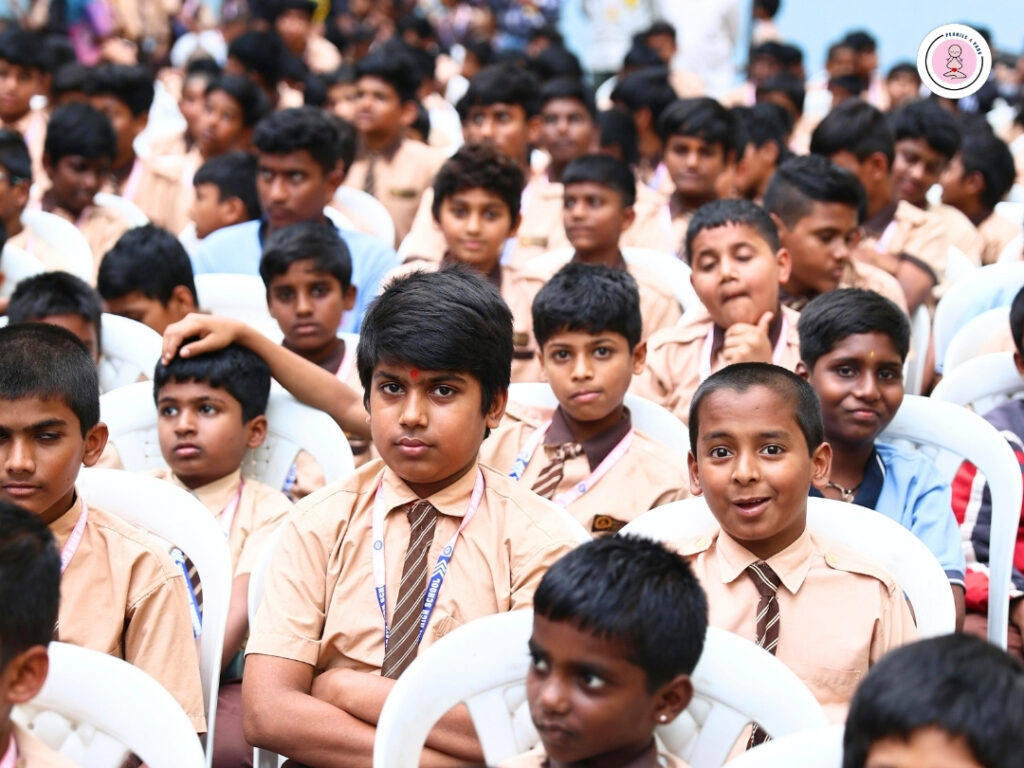
In many schools and communities, conversations about menstruation are still directed only toward girls.
Girls attend awareness sessions. Girls receive information. Girls are expected to manage the experience.
Meanwhile, boys often grow up with very little understanding of what menstruation actually is.
The result is not always intentional harm. Often, it is confusion, discomfort, curiosity, or misinformation.
And that silence affects girls too.
What Happens When Boys Are Left Out
When boys are excluded from menstrual health conversations, they are left to learn from jokes, assumptions, or incomplete information.
This can lead to:
- teasing in classrooms
- embarrassment around the topic
- myths about menstruation
- discomfort discussing a normal biological process
A qualitative study conducted in India found that many boys had limited understanding of menstruation and often felt uninformed about the subject.
The issue is not simply a lack of knowledge. It is the environment that forms around that gap.
Silence Often Creates Stigma
Many girls describe feeling anxious about visible stains, carrying pads, or speaking about periods in school.
Part of that fear comes from how others may react.
When menstruation is treated as a secret, it becomes easier for misinformation and stigma to grow. Boys may see periods as something unusual or embarrassing simply because nobody has explained otherwise.
This creates a school environment where girls feel more self-conscious during an already sensitive time.
Understanding Leads to Better Behaviour
When boys receive accurate information about menstruation, their response often changes.
Research and school-based programs show that awareness helps reduce teasing and increases empathy among students.
A UNICEF-supported initiative in Sierra Leone found that involving boys in menstrual hygiene education helped create more supportive school environments, reducing mockery and helping girls feel more comfortable attending school during menstruation.
The change came from understanding something that had previously been treated as off-limits.
Menstrual Health Is a Community Issue
Periods are experienced by girls, but the environment around them is shared by everyone.
Classrooms, homes, public spaces, and communities include boys and men. Their attitudes influence how comfortable girls feel discussing menstrual health or seeking support.
UNICEF notes that involving boys and communities helps reduce stigma and creates more supportive environments for menstruating girls.
When conversations become more inclusive, menstruation becomes less isolating.
Awareness Does Not Need to Be Complicated
Including boys does not mean turning them into experts on menstrual health.
It means helping them understand:
- that menstruation is normal
- that periods are part of growing up
- that hygiene products should not be a source of embarrassment
- that respect matters during sensitive situations
Small shifts in understanding can change how girls experience school and social spaces.
Schools Have an Important Opportunity
Schools are one of the few places where boys and girls learn together.
This makes them an important space for building awareness across both groups.
UNESCO has highlighted the need for inclusive menstrual health education that addresses gender, social attitudes, and awareness among young people.
When boys are part of the conversation, menstrual health becomes less of a hidden topic and more of a shared understanding.
Where Pennies 4 Pads Contributes
Pennies 4 Pads works through schools to support menstrual hygiene and awareness among adolescent girls.
As menstrual health becomes more visible and openly addressed within school environments, it also creates opportunities for broader understanding and reduced stigma within the wider student community.
Normalising conversations around menstruation benefits everyone involved.
Creating More Supportive Spaces
Menstrual health discussions often focus on who experiences periods.
Equally important is who understands them.
When boys grow up with accurate information, schools become more respectful spaces, girls feel less isolated, and conversations around menstruation become easier for everyone.
Changing attitudes does not always require large interventions.
Sometimes, it begins by making sure the conversation includes everyone.
Building Understanding Alongside Access
Creating a more supportive environment for girls requires more than products alone. It also depends on awareness, respect, and everyday attitudes.
Through regular school-based engagement, Pennies 4 Pads helps make menstrual health a more visible and understood part of school life.
Because when understanding grows, stigma has less space to survive.